Not Every Tiny Bump Is Milia
If you’ve ever zoomed in on your face (thanks, front-facing camera ) and spotted tiny white or skin-colored bumps that don’t pop, don’t move, and seem to have paid rent on your skin — you’re not alone. Most people assume these bumps are milia, but here’s the truth: not every little bump is milia.
And before you try to scrub them off, poke at them, or fall for a TikTok extraction hack (please don’t), let’s clear up what those bumps might actually be so you can treat them the right way.
What Are Milia?
Fun fact: One tiny bump is technically called a milium, but when there’s a whole party of them, they’re called milia.
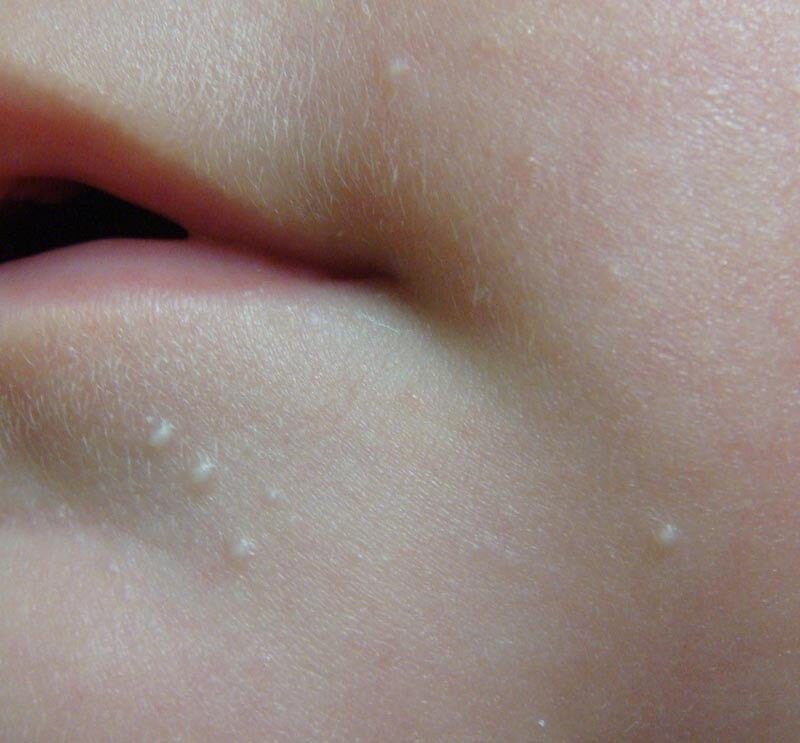
Milia are tiny, hard, pearl-like cysts made of trapped keratin (a protein in your skin). They often show up around the eyes, cheeks, and forehead, and here’s the kicker: they’re not acne and they’re not caused by bacteria. That’s why spot treatments and pimple patches do absolutely nothing.
Common causes:
- Dead skin buildup
- Heavy or occlusive skincare products or makeup
- Post-procedure skin (like after chemical peels or lasers)
- Genetics (thanks, family )
- Trauma (lasers, chemical peels, cuts, scrapes, chronic skin rubbing, infections)
The only problem? Milia don’t have an opening. Translation: you can’t squeeze them out (though many try and end up damaging their skin instead).
Milia are also common in babies and usually disappear on their own, but in adults, they tend to stick around without professional extraction.
Commonly Misidentified Skin Features
Not every tiny bump is milia, and several harmless skin features are often confused with them. One of the most commonly misidentified features is Fordyce spots. These small, pale bumps are actually visible sebaceous (oil) glands and are completely harmless, unlike milia, which are tiny keratin-filled cysts. Fordyce spots are naturally occurring glands that can appear under the eyes, on the lips, or in the genital area, whereas milia are superficial cysts that form when keratin becomes trapped under the skin.
Syringomas are another common source of confusion. These small, benign bumps form from sweat glands and typically appear as clusters of flesh-colored or slightly yellow bumps, most often around the lower eyelids and upper cheeks. Syringomas are soft rather than hard like milia, often genetic, and tend to develop more noticeably with age or hormonal shifts. They are harmless but persistent and will not disappear with exfoliants or extractions. Management usually requires a long-term plan, and in some cases, referral to a dermatologist.
Sebaceous hyperplasia is another skin feature that can mimic milia. These are small, soft, yellowish bumps caused by enlarged oil glands, most commonly appearing on the forehead, nose, or cheeks. While harmless, sebaceous hyperplasia is persistent and cannot be removed with typical over-the-counter products. Professional treatments such as gentle exfoliation, enzyme therapy, or cosmetic procedures may help improve their appearance.
And another confusion can be Calcinosis cutis, a condition where small deposits of calcium form just under the skin, creating firm, white or yellow bumps. While generally harmless, these bumps can be persistent and may benefit from professional evaluation for safe removal.
Understanding these differences helps ensure that milia are properly identified and treated, while other benign bumps are recognized for what they are.
So How Do You Know What You Have?
Skin analysis is essential, especially when treating delicate areas like around the eyes. While only a dermatologist can medically diagnose skin conditions, a licensed skin therapist can assess visible concerns and identify what may be present on the skin. From there, I create a safe treatment plan or refer to dermatology when appropriate.
How to Treat Milia
Professional Care:
- Consultation for proper skin assessment
- Cosmetic extractions performed safely with sterile technique to improve skin appearance
- Enzyme exfoliation to soften bumps before extraction
- Skin smoothing with chemical peels
- LED therapy to support healing post-treatment
- Aftercare and healing support to minimize redness or irritation
- Corrective and aesthetic approach to ensure calm skin post-treatment compared to dermatologists, who may not provide cosmetic aftercare
- Schedule professional deep pore care when needed
Prevention & Homecare:
- Brightening and texture-focused homecare plan
- Use gentle exfoliation 2-3x/week (no scrubs!)
- Gentle exfoliating enzymes
- Balanced, non-occlusive moisturizers
- Avoid heavy oils if you’re prone to buildup
- Add retinol slowly into routine
Final Word
Not all bumps are the same—and treating them the wrong way can create scarring and sensitivity. If you’re not sure what’s happening with your skin, I’d love to help.
Book a Skin Analysis + Treatment Plan at Skin Fit Rox and let’s get clear, confident skin without damage.
Ready when you are
Conclusion: Love the Skin You’re In
Healthy, radiant skin is built on knowledge and intention. Every routine should honor your skin’s unique needs, supporting long-term balance rather than temporary fixes.
At Skin Fit Rox, I create advanced skin services and corrective skincare plans designed for age management, skin renewal, and acne support. As a European + U.S.–trained licensed esthetician and skin therapist in Edmonds, WA, I combine science-driven techniques with personalized care to ensure your skin thrives.
Ready To Take Control Of Your Skin’s Future?
👉 Book a consultation today and start your personalized skin strategy.
P.S. Real results require real strategy. If you’re ready to invest in your skin health, I’m here to guide you.
Stay connected: Follow @Skin.Fit.Rox or join our newsletter for expert tips and seasonal skin insights.