Let’s Talk About Aging—The Smart Way
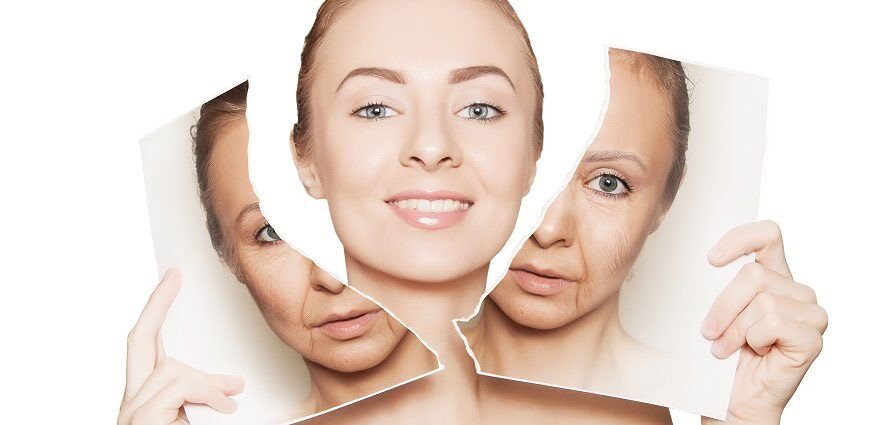
The term “anti-aging” has been stamped across nearly every skincare product, ad, and hashtag. But let’s be real—we’re not anti aging. We’re pro aging well. And that shift in mindset changes everything.
What we should really be asking is:
How do I support my skin to age in the best way possible—at every stage of life?
Because aging isn’t a problem to solve. It’s a process to support.
Aging From the Inside Out—and the Outside In
When clients ask me how to slow down signs of aging, I explain it in two directions:
- What’s happening internally (your biology)
- What’s happening externally (your environment and choices)
Let’s break it down.
The Internal Side: Biology & Structure
There are a few non-negotiable that come with time:
- Your skin cell turnover slows down.
By your late 20s or early 30s, your skin doesn’t renew as quickly. That means more buildup, dullness, and visible fine lines—especially around the eyes and between the brows. - You lose collagen—about 1% per year.
Collagen is your skin’s support system. Starting in your mid-to-late 20s, you begin to lose a bit of that cushion and firmness each year. After menopause? You can lose up to 30% in the first five years.
This is where you start to notice volume loss—particularly in the temples, cheeks, and jawline. Some people “sink,” others “sag.” (Fun fact: I’m a sagger!) - Your bone structure changes.
Yep. Your facial bones actually thin out over time. That scaffold that holds up your skin becomes less supportive, which naturally affects how your face ages.
And yes—these changes happen to everyone, men included. But societal expectations often put more pressure on women to look a certain way, which adds to the emotional weight of aging.
External Aging: What You Can Control
Let’s shift to the good news: a lot of how your skin ages is within your control.
And the #1 external factor?
Sun exposure.
UV damage shows up long before wrinkles. It starts as:
- Discoloration
- Brown spots
- Redness
- Uneven skin tone
- Broken capillaries
When these elements combine, the skin can look blotchy, mottled, and tired—even if you have zero wrinkles. And that’s often the first visible sign of aging—not lines or sagging.
Why Skin Tone is the Real Story
The overall tone and clarity of your skin is one of the biggest giveaways of aging. We refer to this as dyschromia or pigmentation issues—which can be darker (hyperpigmentation) or lighter (hypopigmentation) patches.
This affects all skin tones, though people with deeper skin often experience more persistent pigment challenges. And unless you were raised in a cave (or with very diligent parents applying SPF daily), chances are you’ve got signs of UV damage by your mid-20s.
Pigment tells a story. It shows us:
- How much sun you’ve been exposed to
- Whether your skin barrier has been compromised
- Your risk level for developing skin cancer
And guess what? You can improve it.
If You Do Nothing Else—Start Here
If you’re overwhelmed by all the information, come back to this:
- Wear sunscreen every day.
SPF is not negotiable. Not just for aging, but for your health. - Exfoliate gently.
Clearing away dull surface skin can brighten and smooth your complexion. Just don’t overdo it—especially if you’re in your 20s with active oil production. Too much exfoliation = barrier disruption. - Use vitamin C.
A great antioxidant and brightener, it helps address early pigment and free radical damage. - Get comfortable with retinol.
Retinol is the queen of long-term skincare. It helps with:- Fine lines
- Collagen stimulation
- Texture refinement
- Evening out tone
- Starting in your late 20s or early 30s—before you see major signs—can make a big difference.
So, How Early Is Too Early?
- SPF? Start at six months old (yes, really).
- Antioxidants & gentle care? Start in your early 20s.
- Retinol? Late 20s to early 30s is ideal for prevention.
- Exfoliation? Be mindful. Support the skin, don’t strip it.
Aging Well is a Lifestyle
Yes—products matter. But so do:
- Nutrition
- Hydration
- Sleep
- Stress management
The glow you’re chasing? It’s an inside job and an outside one.
Final Thoughts
Let’s move away from chasing youth and move toward supporting your skin through every decade. You don’t need to do everything. You just need to do the right things consistently.
Check out the Ingredient Spotlight blogs for a deep dive where we unpack ingredients like:
- Vitamin C
- Peptides
- Retinoids
- Exfoliation strategies
- Plus the roles of sleep, diet, and lifestyle in how you age
Because you deserve to feel great in your skin—no matter the year on the calendar.
Conclusion: Love the Skin You’re In
Healthy, radiant skin is built on knowledge and intention. Every routine should honor your skin’s unique needs, supporting long-term balance rather than temporary fixes.
At Skin Fit Rox, I create advanced skin services and corrective skincare plans designed for age management, skin renewal, and acne support. As a European + U.S.–trained licensed esthetician and skin therapist in Edmonds, WA, I combine science-driven techniques with personalized care to ensure your skin thrives.
Ready to take control of your skin’s future?
👉 Book a consultation today and start your personalized skin strategy.
P.S. Real results require real strategy. If you’re ready to invest in your skin health, I’m here to guide you.
Stay connected: Follow @Skin.Fit.Rox or join our newsletter for expert tips and seasonal skin insights.